-
25th Camp
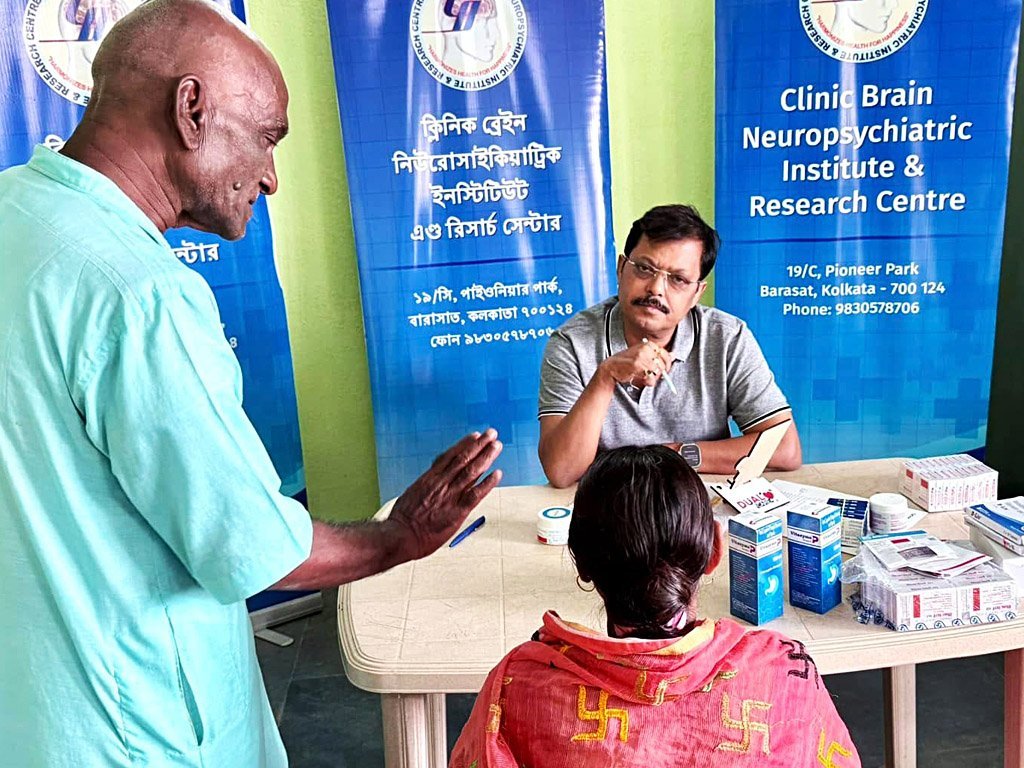
We are delighted to inform you about the successful execution of our 25th Free Mental Health Camp in Bermajur, Sandeshkhali on 11th February, under the guidance of the CLINIC BRAIN NEUROPSYCHIATRIC INSTITUTE AND RESEARCH CENTRE. A total of 125 patients were provided with medical care. We would like to express our sincere appreciation to…
-
26th Camp
Our 26th Free Mental Health Camp in Bermajur, Sandeshkhali, which took place on March 11th, 2025, organized by the CLINIC BRAIN NEUROPSYCHIATRIC INSTITUTE AND RESEARCH CENTRE. More than 125 patients were provided with medical care. We express our sincere gratitude to ALTEUS BIOGENICS for their continued support.
-
Autism Day Programme
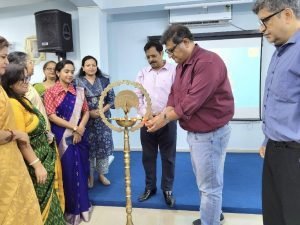
Clinic Brain Neuropsychiatric Institute and Research Centre (CBNIRC) organized an awareness programme today at the Annex Building, Haldar Mansion, Barasat, to mark World Autism Awareness Week.The event saw the participation of nearly 20 children with Autism Spectrum Disorder (ASD) along with their families, school teachers, and mental health professionals.The programme began with a welcome…
-
27th Camp
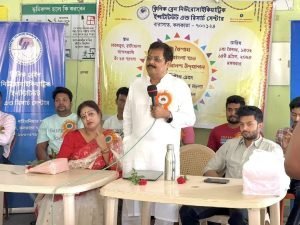
Our 27th Free Mental Health Camp was successfully held at Bermajur, Sandeshkhali, Sundarban in celebration of PAHELA VAISAKH (Bengali New Year). Prior to tending to our patients, we distributed clothing, school bags, and confectionery to the local community. This day was particularly significant as my son, Dr. Suvayan Saha, and my wife, Ms. Madhumita…
-
Participated as panelist in a scientific program
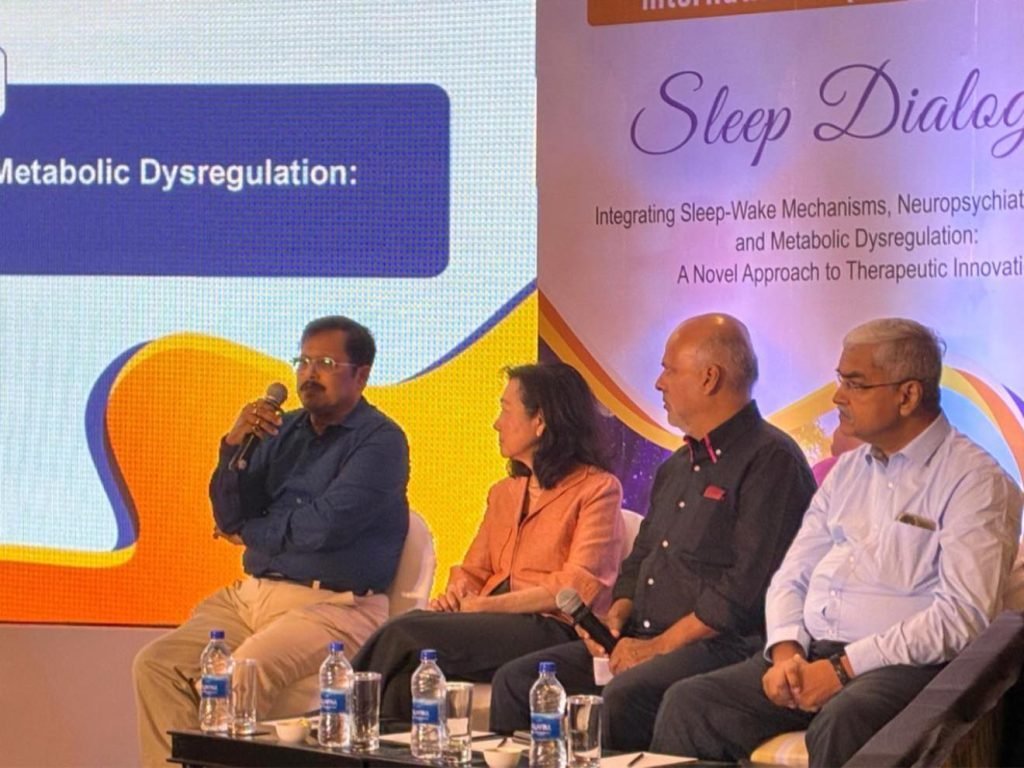
On the 9th of May, I had the privilege of participating as one of the esteemed panelists in a scientific program focusing on “Integrating Sleep-Wake Mechanisms, Neuropsychiatric Disorders, and Metabolic Dysregulation: A Novel Approach to Therapeutic Innovation.” It was truly enlightening to hear from our keynote speaker, Dr. Phyllis Zee, former President of the…
-
a top-notch scientific program
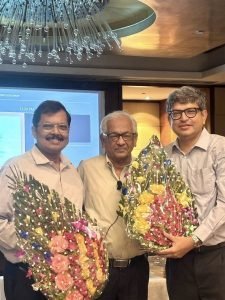
A top-notch scientific program on the management of OCD took place at Park Hotel in Kolkata. The keynote speaker was Prof. Joseph Zohar, with the session being moderated by senior psychiatrist Dr. Ashit Sheth. I shared my clinical experience with Fluvoxamine in the Indian context, while Dr. Abir Mukherjee discussed Managing OCD with Psychiatric…
-
On behalf of CLINIC BRAIN NEUROPSYCHIATIC INSTITUTE AND RESEARCH CENTRE ( CBNIRC )
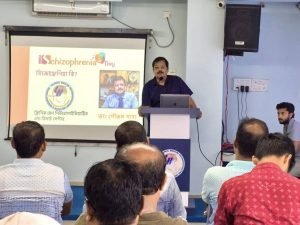
On behalf of CLINIC BRAIN NEUROPSYCHIATIC INSTITUTE AND RESEARCH CENTRE ( CBNIRC ) , we had one awareness meeting for observing the World Schizoprenia Day 2025 at our Annex Building, Barasat on 1st June 2025. Keynote speaker was Dr. Indrajit Sengupta . He was at his best on yesterday, delivered a fantastic speech. Chairperson…
-
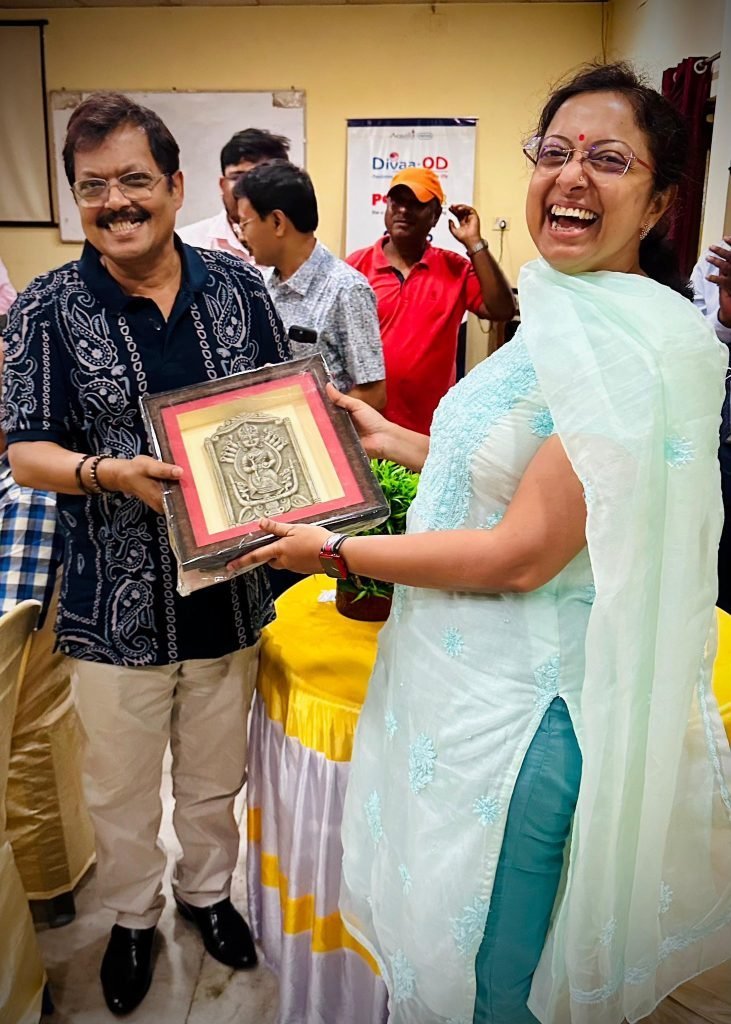
I had a productive evening yesterday
I had a productive evening yesterday with my colleagues from Bardhaman who are mostly psychiatrists. Dr. Sumanta Dawn delivered an insightful presentation on Aripripazole. Many thanks to Aquila, a division of Intas Pharma, for coordinating the event.
-
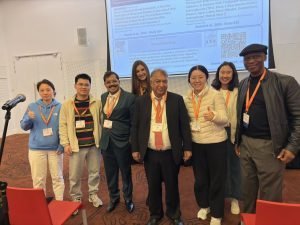
I participated in the CINP
I participated in the CINP-AsCNP 2025, Joint Congress, 36th World Congress of Neuropsychopharmacology, 9th AsCNP Meeting on June 15-18, Melbourne. I delivered a talk and presented a poster during the event. The conference was rich in academic content and provided valuable insights into biological and psychopharmacological issues.
-
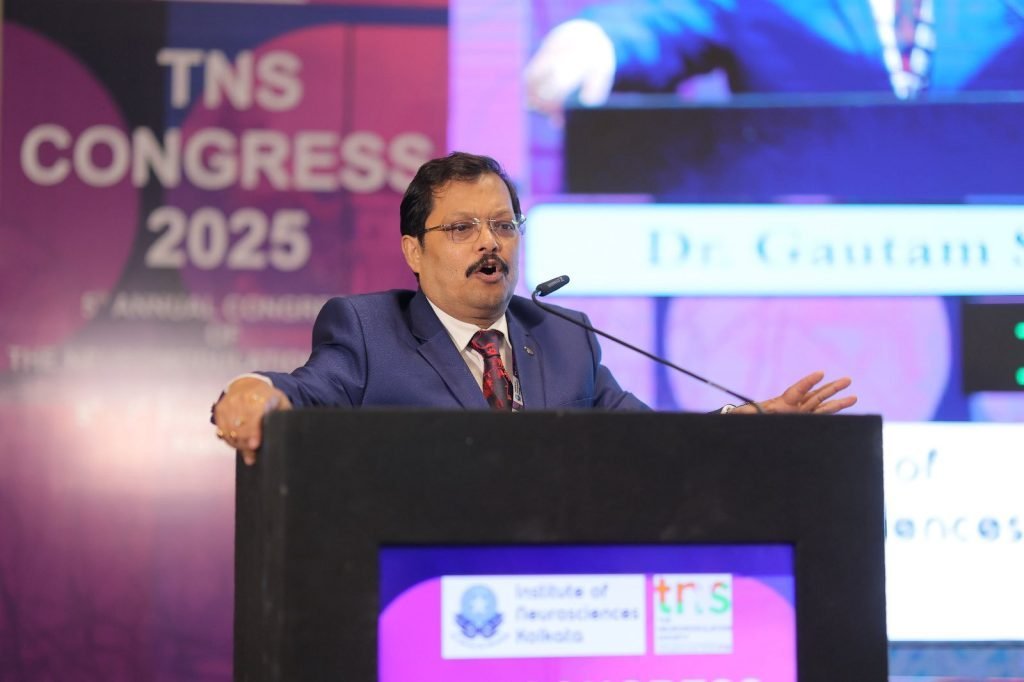
Delivering a talk on “r-TMS in Psychiatry
Past, Present, and Future” at the TNS Congress organized by The Neuromodulation Society and Institute of Neurosciences Kolkata on September 6, 2025, was truly a remarkable experience. The scientific program was exceptional. I am grateful to Dr. Hrishikesh Kumar and his team for putting together such a fantastic scientific event.